In areas prone to earthquakes, it is crucial to implement measures that can minimize the damage caused by seismic activity. One such measure is bracing seismic, which involves the use of various bracing techniques to strengthen buildings and structures and prevent them from collapsing during an earthquake.
Seismic activity refers to the vibrations and shockwaves that occur in the Earth’s crust, usually as a result of tectonic movements. These movements can have devastating effects on buildings and infrastructure, causing them to sway, crack, or even collapse. To mitigate the impact of seismic activity, engineers and construction professionals use bracing techniques to reinforce structures and make them more resistant to earthquakes.
One of the most common bracing techniques used in construction is the installation of shear walls. Shear walls are vertical elements made of concrete or steel that are designed to resist horizontal forces, such as those generated by seismic activity. By strategically placing shear walls throughout a building, engineers can create a strong and stable structure that is able to withstand the forces of an earthquake.
Another bracing technique that is commonly used in construction is the installation of moment frames. Moment frames are rigid structures made of steel or concrete that are used to provide lateral support to buildings. By connecting the columns and beams of a building with moment frames, engineers can increase its overall stiffness and enhance its resistance to seismic forces.
In addition to shear walls and moment frames, engineers also use bracing systems such as cross-bracing and diagonal bracing to reinforce buildings against earthquakes. Cross-bracing involves the installation of diagonal members that connect the beams and columns of a building, forming a zigzag pattern that helps distribute seismic forces evenly throughout the structure. Diagonal bracing, on the other hand, consists of diagonal members that are connected to the building’s frame to provide additional lateral support.
bracing seismic is not only important for protecting buildings and structures from collapse during earthquakes but also for ensuring the safety of occupants. By implementing bracing techniques in construction, engineers can reduce the risk of injury and death that can result from seismic activity. Buildings that are properly braced are less likely to suffer major damage during an earthquake, making them safer for people to occupy.
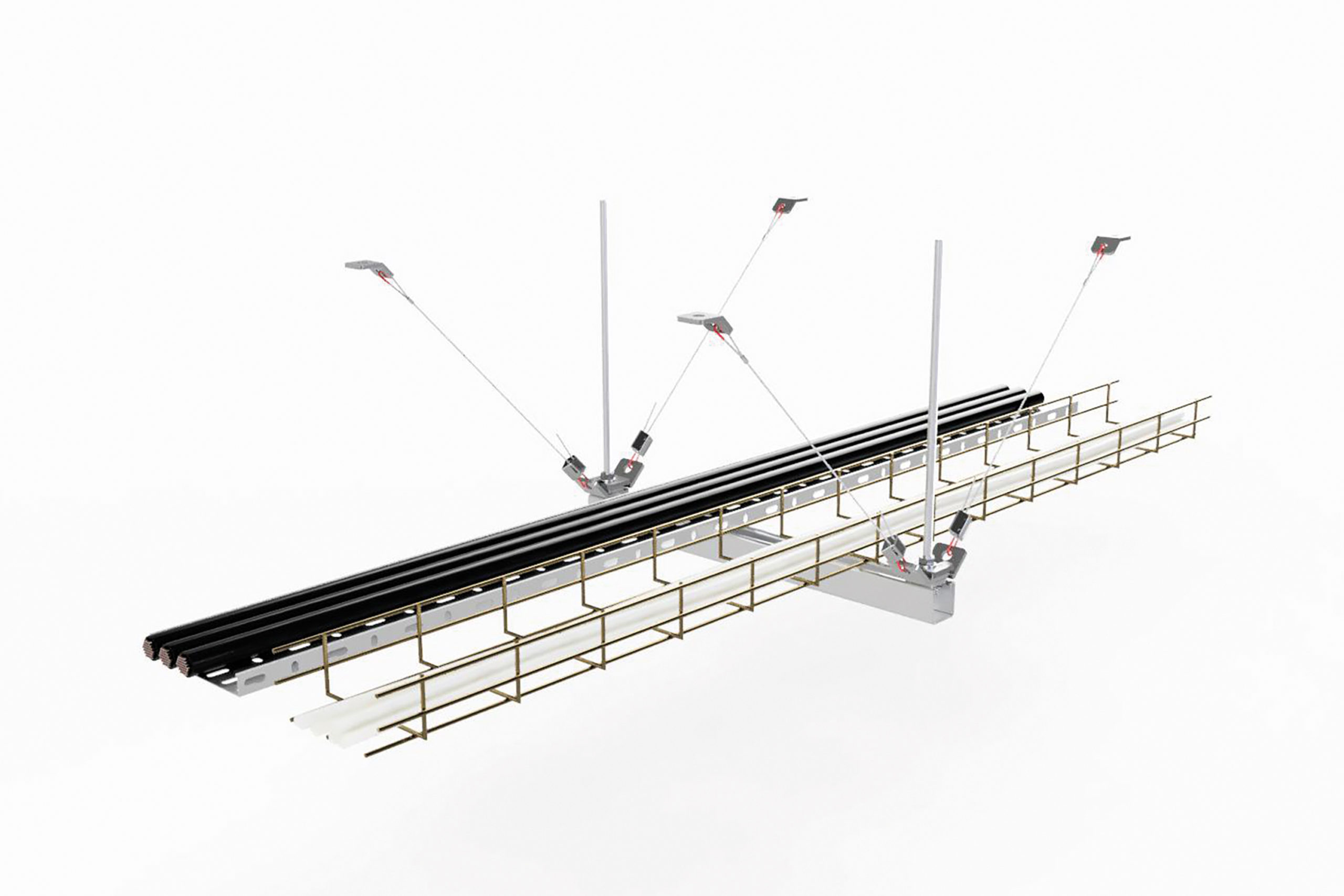
In addition to protecting buildings and occupants, bracing seismic can also help to safeguard investments in real estate and infrastructure. By reinforcing structures against earthquakes, property owners can minimize the risk of costly repairs and rebuilding efforts that may be necessary in the event of a seismic event. This can ultimately save time, money, and resources for property owners and communities affected by earthquakes.
bracing seismic is a critical component of earthquake-resistant design, especially in regions with high seismic activity. By incorporating bracing techniques into construction projects, engineers can create buildings and structures that are better equipped to withstand the forces of an earthquake and protect life and property. From shear walls to moment frames to cross-bracing, there are a variety of bracing systems available to help strengthen buildings against seismic activity.
In conclusion, bracing seismic is an essential aspect of construction in earthquake-prone areas. By implementing bracing techniques such as shear walls, moment frames, and bracing systems, engineers can enhance the strength and stability of buildings and structures and reduce the risk of damage from seismic activity. Not only does bracing seismic help to protect buildings and occupants during earthquakes, but it also helps to preserve investments and ensure the long-term safety and sustainability of communities. Investing in bracing seismic is a smart and proactive way to prepare for and mitigate the impact of seismic events, ultimately contributing to safer and more resilient construction practices.