In the world of seismic exploration, one crucial tool stands out as the backbone of the operation – seismic wire. This specialized wire plays a pivotal role in mapping beneath the Earth’s surface, providing invaluable data that helps in identifying potential oil and gas reserves, as well as understanding the geological structures of the area. In this comprehensive guide, we will delve into the intricacies of seismic wire, its importance, functionality, and the innovative technologies associated with it.
seismic wire, also known as geophone string or hydrophone array, is a vital component of seismic data acquisition systems. It consists of multiple geophones or hydrophones, which are sensors that detect ground motion or acoustic signals, respectively. These sensors are connected through a cable that runs along the surface or is buried underground, allowing for precise measurements of seismic waves generated by energy sources such as dynamite blasts or vibrating trucks.
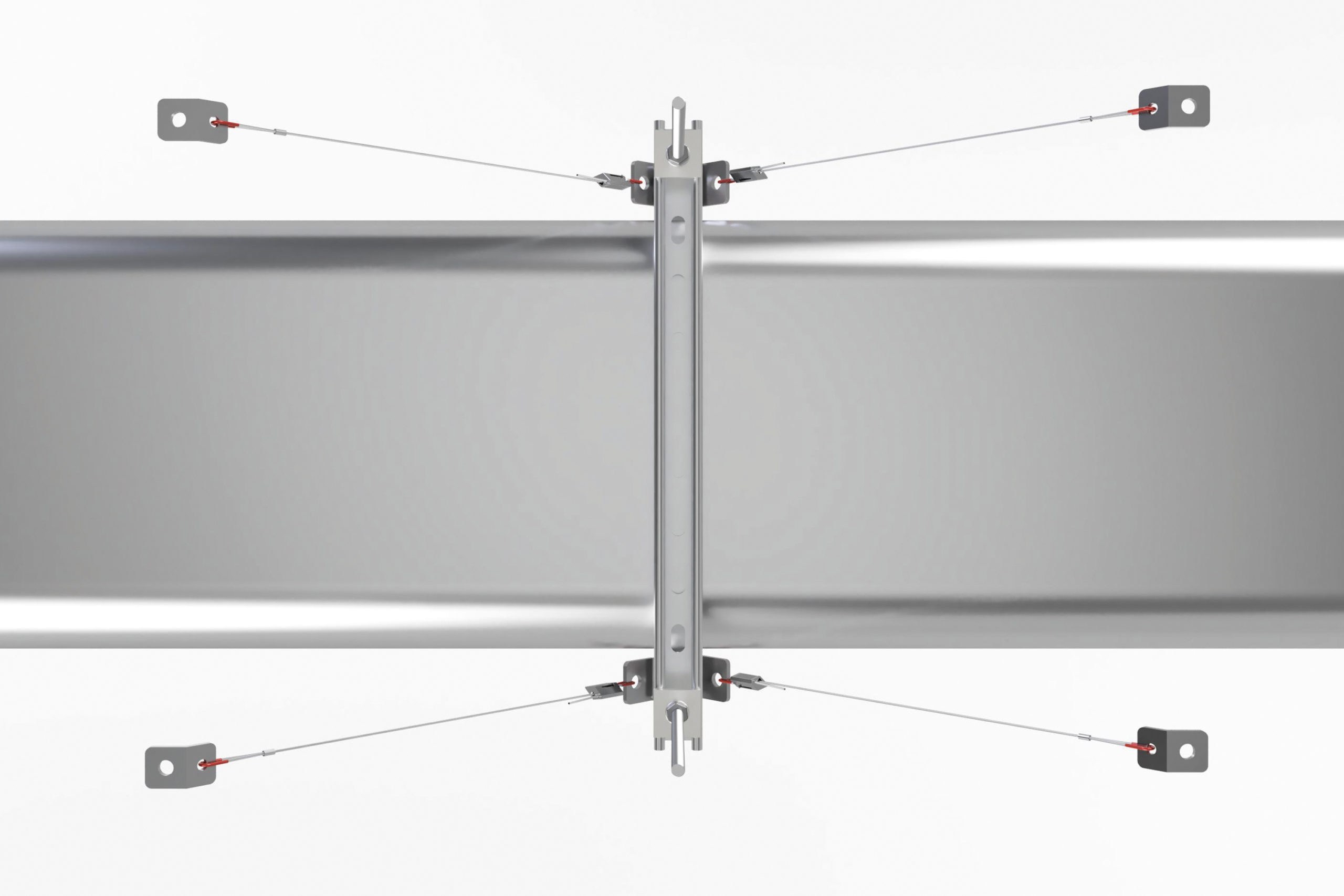
The primary function of seismic wire is to capture and record the reflected seismic waves that bounce back from subsurface rock layers. By analyzing the time taken for these waves to travel back to the surface, geophysicists can create detailed images of underground structures, including potential reservoirs of oil and gas. This information is crucial for the oil and gas industry, as it guides drilling decisions and maximizes extraction efficiency.
seismic wire comes in various configurations, depending on the specific needs of the exploration project. Traditional geophone strings are typically used for land-based surveys, while hydrophone arrays are employed in marine environments for underwater exploration. In recent years, advancements in technology have led to the development of wireless seismic systems, which eliminate the need for physical cables and offer greater flexibility in data collection.
One of the key advantages of seismic wire is its ability to provide high-resolution data over large areas. By deploying multiple sensor arrays across the survey area, geophysicists can create detailed 3D models of subsurface structures, allowing for more accurate predictions of potential oil and gas reservoirs. This level of precision is essential for reducing exploration risks and optimizing resource extraction.
Another important aspect of seismic wire is its durability and reliability in harsh environments. Whether it is exposed to extreme temperatures, rugged terrains, or corrosive substances, seismic wire is designed to withstand the rigors of seismic exploration. This ensures that data collection remains uninterrupted, even in challenging conditions, providing consistent and accurate results.
In addition to traditional seismic wire systems, the industry has seen a rise in the adoption of advanced technologies such as distributed acoustic sensing (DAS) and distributed temperature sensing (DTS). These systems use optical fibers as sensors, enabling continuous monitoring of seismic activity and temperature changes along the entire length of the cable. This real-time data can be invaluable for detecting subtle subsurface movements and anomalies that may indicate potential reservoirs.
As the demand for energy resources continues to grow, the importance of seismic wire in the oil and gas industry cannot be overstated. It serves as a critical tool for unlocking the Earth’s hidden treasures, guiding exploration efforts, and optimizing resource extraction. With ongoing advancements in technology and data processing capabilities, seismic wire remains at the forefront of seismic exploration, paving the way for new discoveries and innovations in the field.
In conclusion, seismic wire plays a vital role in the success of seismic exploration projects, providing essential data that drives decision-making in the oil and gas industry. Its versatility, durability, and precision make it an indispensable tool for mapping subsurface structures and identifying potential reservoirs. With the constant evolution of technology and methodologies, seismic wire continues to push the boundaries of exploration, enabling geoscientists to unravel the mysteries of the Earth’s deepest depths.